統一神学大学院修士論文シリーズ29


緊張と統合:内村鑑三におけるキリスト教と日本の精神

 このシリーズでは、私が1994年に執筆した統一神学大学院(Unification Theological Seminary)の神学課程修士論文(Divinity Thesis)を日英二か国語で掲載している。

6.無教会と日本社会の続き

 しかしながら、表面的には西洋から多くのものを取り入れながらも、日本の政治的、社会的組織の構造とそのイデオロギーとは実質的には保存されていた。キリスト教を受け入れることは、必ずしも西洋の技術と物質主義を享受するために必要ではないことを、日本人は悟りはじめたのである。日本の近代化は家族主義的かつ権威主義的な政府によって着手され、それは神道を国家宗教として復興させようとしていた。明治政府の目的は、古代の祭政一致の原理と神政主義国家を復活させることであった。明治憲法の主要な草案者である伊藤博文は、日本にはヨーロッパにおけるキリスト教のような強力な宗教が存在しないので、皇室が国民の精神的統合の核となるべきであると主張した。政府は仏教と深く結びついていた神道をそこから引き離し、神道を新しい日本に上から乗せるべく、神祗官を設立した。
 政府が不本意ながら西欧諸国の圧力に屈し、基督教禁止令を撤廃する決断をしたことは、徳川時代に反切支丹政策を続行する任務をまかされていた仏教徒の感情に衝撃を与えた。そこで仏教徒達は、信教の自由を支持していた者達も含めて、神道、儒教、および国粋主義の指導者達と同盟して、「破邪顕正」と呼ばれる反キリスト教運動を形成したのである。
 儒教側も、新政府が西洋のモデルに従って教育システムを組織し、伝統ある重要な儒学を犠牲にして洋学を歓迎する政策に対して、恨みを抱いていた。しかし10年ほどの西洋化の後、その反動としての保守主義的な風潮が儒教の力をも復興させた。教育勅語が発布され、「修身」が学校制度に強制的に採用されることによって、儒教の徳目である孝と忠が教化され、日本古来の道徳的価値観として提示されるようになった。このようにして、この時から第二次世界大戦が終わるまでの期間、「非宗教的」儒教倫理が、「超宗教的」国家神道を支えるようになったのである。
 このような公と個人における信仰実践の区別は、法律においては明確に分離されていたが、日本における宗教的実践の現実とはうまく符合しなかった。明治憲法において信教の自由は文字の上では保証されていたが、それは「安寧秩序ヲ妨ゲズ・及臣民タル義務ニ背カザル限リニ於テ」という限定付きであった。信教の自由の意味は、教育勅語が発布された後にはより狭い意味で解釈されるようになり、教育勅語は戦前の日本における倫理道徳の柱となった。反キリスト教グループの主唱者達は、キリスト教の普遍的な愛の教義は、勅語において明確に教えられている忠と孝の国家的な徳目と相容れないものであると強調した。このようにキリスト教とその価値体系は、国体と相反するものであるとみなされた。その一神教的信仰は皇室の敵であるとみなされ、したがって天皇に対する忠誠を教える神道は、反キリスト教の強力な中心となったのである。このような状況の故に、困難は増大し、教会の成長も停滞する時期が始まったのである。

VI. Mukyokai and Japanese Society. (Cont.)

However, while superficially taking over much from the west, the main structure of Japan’s political and social institutions and her ideologies were substantially preserved.(5)Japanese began to realize that acceptance of Christianity was not indispensable for enjoying western technology and materialism.(6)The modernization of Japan was initiated by a paternalistic, authoritarian government, which attempted to revitalize Shinto as the national religion. The aim of the Meiji regime was to restore the ancient principle of the unity of religion and government and the immanental theocratic state. Hirobumi Ito (1841-1909), the chief architect of the Meiji Constitution, insisted that the imperial house must be the core of people’s spiritual unity and national loyalty, because there is no such strong religion in Japan as Christianity in Europe.(7)The government separated Shinto from its close affiliation with Buddhism, and the department of Shinto was established to superimpose Shinto on the new Japan.
The government’s reluctant decision to surrender to the pressure of Occident powers and lift the ban against Christianity was an emotional blow to Buddhism, which had been charged with the task of carrying out the anti-Kirishitan policy of the Tokugawa regime. Thus, many Buddhists, including those who had supported religious freedom, allied themselves with Shinto, Confucian, and nationalist leaders in an emotional anti-Christian campaign called haja kensei (“refutation of evil religion and the exaltation of righteous religion”).(8)
Confucians also resented the new regime’s policy of organizing the educational system on Western models and welcoming Western learning (yogaku) at the expense of traditional important Confucian learning (jugaku). After a decade of westernization, however, a reactional conservative mood revived the power of Confucians also. With the promulgation of the Imperial Rescript on Education and the adoption of compulsory “moral teaching” (shushin) in school systems, Confucian virtues of filial piety and loyalty were domesticated and presented as indigenous moral values. As such, “nonreligious” Confucian ethics supported “super-religious” State Shinto until the end of World War II.(9)
This distinction between the private and public exercise of religious faith was clear-cut in law, but did not conform well to the reality of Japanese religious practice.(10) Although religious freedom was nominally guaranteed in the Meiji Constitution, it was limited to the extent that is “not prejudicial to peace and order, and not antagonistic to their duties as subjects.” The understanding of religious freedom was interpreted more narrowly after the promulgation of the Imperial Rescript on Education, which became the pillar of prewar Japan’s ethics and morality. Spokesmen of anti-Christian groups stressed that the Christian doctrine of universal love was incompatible with the national virtues of loyalty and filial piety taught explicitly in the Rescript. Thus, Christianity and its value systems were regarded as being inconsistent with national polity (kokutai). Its monotheistic faith was regarded as an enemy of the Imperial Family, thus Shinto, which taught loyalty to the emperor, became an intense center of opposition.(11) Because of this situation、period of increasing difficulties and slow progress had begun.(12)

(5)Kenneth Scott Latourette, The Great Century: In Africa and Asia, A.D. 1800 – A.D. 1914. vol. VI of A History of the Expansion of Christianity, (Grand Rapids, Michigan, Zondervan Publishing House, 1970), p.371.
(6)op cit, Thomas, p.190.
(7)Masayuki Suzuki, Koushitsu Seido [The System of the Imperial Household], (Tokyo: Iwanami Shoten, 1993), p.91.
(8)op cit, Thomas, p.197.
(9)The Encyclopedia of Religion, 1987 ed., s.v. “Japanese Religion: An Overview” by Joseph M. Kitagawa.
(10)op cit, Hardacre, p.121.
(11)op cit, Thomas, p.184.
(12)op cit, Ebisawa and Ouchi, p.296.
カテゴリー: 統一神学大学院修士論文シリーズ

統一神学大学院修士論文シリーズ28


緊張と統合:内村鑑三におけるキリスト教と日本の精神

 このシリーズでは、私が1994年に執筆した統一神学大学院(Unification Theological Seminary)の神学課程修士論文(Divinity Thesis)を日英二か国語で掲載している。
今回から第6章の「無教会と日本社会」に入る。

6.無教会と日本社会

 内村を巻き込んだ不敬事件は、彼が1891年に教育勅語に記された天皇の宸署の前で敬礼することを拒んだことによって引き起こされた。この事件はキリスト者の忠誠に関する国家的次元の論争にまで発展し、内村は東京の官営校の教師としての位置を退くことになった。実際、内村には明治天皇を冒涜するつもりなどなかった。彼はただキリスト者としての良心から、神以外のものに対して崇敬を払うのを躊躇しただけである。しかしこの事件は、国家宗教としての神道とキリスト教との対決の象徴的な始まりとなったのである。
 ある意味で内村とキリスト教は、1889年から始まったナショナリズム復活の脈絡の中で、「スケープゴート」の役割を強いられたと言える。しかしもっと長い目をもって歴史を見てみれば、内村の言動は軍国主義への道を歩んで行ったその後の日本の歴史に対する偉大な警告であり、預言でもあったのである。この章においては、明治維新から1945年までの期間の脈絡において、内村の不敬事件の持つ意味を明らかにする。

 A.明治時代の宗教的状況

 1868年の維新の後、明治政府の主たる願望は西欧諸国との間に結んだ不平等条約の改訂を説得することであった。1865年10月23日に天皇が強制されて承認した条約は、1894年までの日本と西洋との関係の基礎を形成していた。これらの条約によって日本は、外国人の裁判権と関税自主権という二つの国家の基本権を奪われていた。それ故に日本人は開国以来国家が直面していた不利な立場を克服するために、躍起になって西洋の文化と技術を輸入しようとした。彼らは西洋的生活を、ほとんどあらゆる方面から借用したのである。
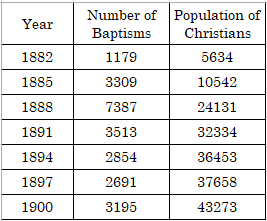
 不平等条約の改訂を託された外交使節は、行った先々で日本は信教の自由を認めていないので非文明国であるとしか認めざるを得ないという非難を耳にした。この理由をもって西洋の諸国は条約の改訂を拒否して来た。このように西洋諸国の一致した圧力に説得されて、明治政府は1873年に基督教禁止令を撤廃したのである。宗教の自由は1889年に発布された憲法によって保証されていた。「日本臣民ハ安寧秩序ヲ妨ゲズ・及臣民タル義務ニ背カザル限リニ於テ信教ノ自由ヲ有ス」(第28条)このような状況下で膨大な数の宣教師が日本に殺到し、日本のキリスト教化は一般的な西欧化と相まって加速された。日本のプロテスタント教会は1872年から1889年にかけて全般的に拡大し、繁栄した。改宗者は急激に増え、未来の日本プロテスタント教会の大まかな輪郭は出来上がりつつあった。この17年間で、日本のキリスト教徒の人口は約3万人に成長した。成長して行く教会の行く手を阻む様な重大な障害はないかに見えた。

VI. Mukyokai and Japanese Society.

The Lese Majesty Incident (fukei jiken) which involved Uchimura was caused by his refusal in 1891 to bow before the Imperial signature affixed to the Imperial Rescript on Education (Kyoiku Chokugo). This led to a fierce nationwide controversy over the loyalty of Christians and to his resignation of his position as a teacher of the government academy in Tokyo. Actually Uchimura himself had no intention to blaspheme the Emperor Meiji; he just scrupulously hesitated as a Christian to pay homage to anything but God. This incident, however, became the symbolic beginning of the confrontation between Christianity and State Shinto as the national religion.
In a sense, Uchimura and Christianity were made to play the role of “scape-goat” in the context of resurgent nationalism which started from 1889. If we take a longer view of history, however, Uchimura’s speech and action could have been a great warning or prophesy to the subsequent Japanese history which headed for the path to militarism. The purpose of this chapter is to bring out the meaning of Uchimura’s Lese Majesty Incident in the context of the period from the Meiji Restoration to 1945.

A. Religious Situation of the Meiji Period.

Following the revolution of 1868, the primary wish of the Meiji government was to induce the nations of the Occident to revise the unequal treaties. The treaties which the emperor had approved under coercion on October 23, 1865, established the basis of Japan’s relations with the West until 1894. These instruments took away two of the nation’s rights: right of legal jurisdiction to foreign diplomats and tariff autonomy. Therefore, Japanese eagerly tried to import western culture and technocracy in order to overcome the disadvantage which confronted the nation after its reopening; they borrowed almost every phase of western life.(1)
The diplomatic mission charged with negotiating the revision of unequal treaties heard charges everywhere it went that because Japan did not provide for freedom of religious belief, it could only be considered an uncivilized nation. Citing this reason, Western nations refused to revise the treaties.(2)Thus the combined pressures of western nations persuaded the Meiji government to lift the edict banning Christianity in 1873. Religious freedom was guaranteed in the constitution of 1889: “Japanese subjects shall, within limits not prejudicial to peace and order, and not antagonistic to their duties as subjects, enjoy freedom of religious belief” (art. 28). In this situation, numerous missionaries rushed into Japan and Christianization of Japan was accelerated, accompanied by her general westernization. Protestantism in Japan generally expanded and prospered from 1872 to 1889; converts rapidly increased, and the main outlines of the future Protestant Christianity of Japan began to take form. During these 17 years, the population of Japanese Christians had grown to approximately thirty thousand.(3) No prominent obstacle of the growing church could be observed.(4)

(1)op cit, Thomas, p.185-6.
(2)Helen Hardacre, Shinto and the State, 1868-1988, (NJ: Princeton University Press, 1989), p.115.
(3)Arimichi Ebisawa and Saburo Ouchi, Nihon Kirisutokyou Shi [A History of Christianity in Japan], (Tokyo: Nihon Kirisuto Kyodan Shuppan Kyoku, 1971), p.194.
(4)op cit, Thomas, p.182.

カテゴリー: 統一神学大学院修士論文シリーズ

統一神学大学院修士論文シリーズ27


緊張と統合:内村鑑三におけるキリスト教と日本の精神

 このシリーズでは、私が1994年に執筆した統一神学大学院(Unification Theological Seminary)の神学課程修士論文(Divinity Thesis)を日英二か国語で掲載している。

5.無教会運動の構造の続き

 H・リチャード・ニーバーが彼の著書 Social Sources of Denominationalism (邦訳名『アメリカ型のキリスト教の社会的起源』)において論ずるところによれば、諸々の宗教的グループは宗教的に軽視された貧者のセクトに起因しており、彼らは自分達が特に必要としている願望に符合するような、新しいタイプのキリスト教を作り上げた。彼はこれを「権利を奪われた人々の宗教」(religion of the disinherited)と呼んでいる。その主な特徴は感情的であり、至福千年王国を志向し、終末論的であり、万人司祭主義を主唱し、直接的な経験による救いを保証し、平信徒の運動であり、職業的司祭階級に敵意を抱いており、倫理的・社会的な再構築を目指している点にある。

 しかしこのような新しい宗教運動の特徴は、遅かれ早かれ変化をきたさざるを得ない。新しい信仰は文化的な人々、支配者、教養ある人々の宗教となり、抽象的な神学のくだらない批判のまっただ中でその自発的なエネルギーを失って行く。それは政府と貴族達の政策と妥協して、その倫理的な公正さを犠牲にしてしまう。そしてその終末論的な希望を、立派になった教会の安寧にとっては不適切なものとして、放棄してしまうのである。

 キリスト教が幸福で文化的な人々の宗教となり、その過程において哲学的で、抽象的で、形式的で、倫理的に無害なものに成長して行った時、社会の下層階級の人々は、彼らの心理学的な必要性に合致せず、魅力的な倫理的理想を述べもしない信仰によって、自分達が宗教的に疎外されているのを発見するのである。そして、そこから次なる宗教的革命の波が起こり始めるのである。

 しかしながら、無教会はこの発達のモデルには当てはまらない。この運動は日本社会の下層階級から始まったものでもなく、また、より複雑な組織へと発展したものでもなかった。無教会の例は、一つの運動がカリスマ的リーダーの継承によって永続され、日常化や組織化の過程が起こる必要のない場合もあるという可能性を証明している。無教会運動の非形式的な団結力は、彼らの信仰の思想的内容に由来している。制度的教会における「法的一体性」は、キリストおよび信徒との間の「霊的一体性」に置き換えられているのである。このタイプの一体性は、神に対する個人的な献身以上の何ものをも要求せず、それは非人格的な組織の一律性よりも、個人の独自性と自由を重要視しているのである。

V. Structure of Mukyokai Movement (Cont.)

In his Social Sources of Denominationalism, H. Richard Niebuhr argues that religious groups originate as sects of the religiously neglected poor, who fashion a new type of Christianity which corresponds to their distinctive needs. He calls this “the religion of the disinherited.” Its main characteristics are emotionalism, propensity toward millenarianism, apocalypticism, the priesthood of all believers, the assurance of salvation through immediate experience, the lay character, antagonism to a professional class and the search for an ethical and social reconstruction.
However, these characteristics of the new religious movement have to undergo a transformation sooner or later. The new faith becomes the religion of the cultured, of the rulers, of the sophisticated; it loses its spontaneous energy amid the quibbling of abstract theologies; it sacrifices its ethical religiousness in compromise with the policies of governments and nobilities; it abandons its apocalyptic hopes as irrelevant to the well-being of a successful church.
Whenever Christianity has become the religion of the fortunate and cultured and has grown philosophical, abstract, formal, and ethically harmless in the process, the lower strata of society find themselves religiously alienated by a faith which neither meet their psychological needs nor sets forth an appealing ethical ideal. Now begins the successive waves of religious revolution.(13)
The Mukyokai, however, does not fit this development model, as the movement did not originate in the Japanese lower classes, and it has not developed into a more complex organization. The Mukyokai example proves the possibility that a movement can be perpetuated through a succession of charismatic leaders, and the process of routinization and bureaucratization need not take place.(14) The Mukyokai movement’s informal cohesiveness is derived from the ideological content of their faith. The “legal unity” of the institutional churches has been replaced by a “spiritual unity” with Christ and each other. This type of unity does not demand anything more than a personal commitment to God, and it places the uniqueness and freedom of the individual above the mechanical uniformity of an impersonal organization.(15)

(13)H. Richard Niebuhr, Social Sources of Denominationalism. (Cleveland and New York: The World Publishing Company, 1957), pp.26-76.
(14)op cit, Caldarola, p.146.
(15)Ibid,. p.141.

カテゴリー: 統一神学大学院修士論文シリーズ

統一神学大学院修士論文シリーズ26


緊張と統合:内村鑑三におけるキリスト教と日本の精神

 このシリーズでは、私が1994年に執筆した統一神学大学院(Unification Theological Seminary)の神学課程修士論文(Divinity Thesis)を日英二か国語で掲載している。

5.無教会運動の構造の続き

 B.反組織原理

 無教会派の最も際だった特徴は、その反組織原理である。晩年の内村の最大の関心事は、彼の死後自分の活動がいかなる公式的な形でも継続されないことを確認することであった。彼は自分の死後は自分の聖書雑誌を廃刊し、聖書研究会を解散するように命じた。

 いかなる後継者の概念をも拒否する無教会の態度は、今日まで続いている。彼らのモットーは、「生きているキリスト教は後継者を指名する必要はない。だが腐敗した宗教は後継者を必要とする!」である。彼らは常に内村の真の精神に反してセクトに発達し、「無教会教会」に変質してしまわないように注意を払っている。諸集会は常に新鮮であろうと努め、繰り返しや固定的関係を避け、自己の精神的条件を改善するためには他の集会へ移動できるように配慮している。その形態は統一的な集団形成と個人の独立自治を、両立するものである。それは常に流動している。聖書集会は現れては分裂し、分裂を繰り返しては消えて行く。これらすべてが敵意なしで行われるのである。この様な流動性、個人の自由、さらには広範囲な独立といったことを考えれば、無教会には地方の、あるいは全国的な議会、委員会、あるいは事務局といった公式の上部構造が一切存在しないということは、別に驚くには価しないのである。現在までこの運動を叙述した歴史もなければ、会員名簿、統計表もない。

 カルダローラは無教会キリスト教を、マックス・ウェーバーやH・R・ニーバーによって形成された宗教社会学の発達モデルの例外であるとみなしている。ウェーバーの提唱によれば、一般的に新宗教は文化的または社会的危機の時代に、カリスマ的指導者が率いるセクトとして出発するという。そのカリスマ的権威は元来革命的で不安定なものであり、もしそのグループが制度化の過程を踏まなければ、創始者の死後に急速に消失してしまう。したがってそのグループは「カリスマの日常化」の過程を通過するのである。この日常化の過程は通常社会学者たちによって制度化と呼ばれている。

V. Structure of Mukyokai Movement (Cont.)

B. Anti-Organization Principle

The most striking characteristics of Mukyokai group is its anti-organizational principle. Uchimura’s main concern during the last years of his life was to ensure that his activities were not continued in any formal fashion after his death. He ordered that both his Biblical magazine(9)and his groups be discontinued.
The Mukyokai rejection of any notion of succession continues to this day. Their motto is “living Christianity does not need to appoint a successor; corrupted religion needs it!” They constantly pay attention not to develop the movement as a sect in opposition to the genuine spirit of Uchimura, thus transforming it into a “non-church church.” The group strive constantly to be fresh and new, to avoid repetition and fixed relationship, and allow the individual to move on to other groups in order to improve his spiritual abilities. Its configuration is one which allows both unified groups and the autonomy of the individual; it is constantly shifting – groups emerge, split and split again, dissolve – all without animosity among the members. Given this fluidity, personal freedom, and widespread independence, it is not surprising that the movement has no formal superstructure at all – no local or national boards, committees, or secretariats; not even a written history of the movement exists and there are no membership rolls or statistics available.(10)
Carlo Caldarola regards the Mukyokai Christianity as an exception of the developmental model of sociology of religion formed by Max Weber and H. R. Niebuhr.(11) Weber proposed that new religious movements generally start out as sects headed by a charismatic leader at the time of cultural crisis or social crisis. That charismatic authority is intrinsically revolutionary and unstable; if the group does not institutionalize, it will die shortly after the founder dies. Hence, the movement undergoes a process of “routinization of charisma.” This process of routinization is commonly referred to by sociologists as institutionalization.(12)

(9)Uchimura utilized several means of spreading his new-found convictions. In 1898, he established Tokyo Dokuritsu Zasshi (Tokyo Independent Magazine), in 1900 Seisho no Kenkyu (Biblical Studies), and in 1901 Mukyokai, the later to expound upon a Christianity completely free of any ecclesiastical organization. Through these magazines, Uchimura reached many brilliant Japanese intellectuals who eventually became his disciples and collaborators.
(10)op cit, Caldarola, p.138.
(11)Ibid., p.143.
(12)Max Weber, Theory of Social and Economic Organization, ed. with introduction by Talcott Parsons, (Glencoe, Ill: The Free Press, 1964), pp. 363ff.

カテゴリー: 統一神学大学院修士論文シリーズ

統一神学大学院修士論文シリーズ25


緊張と統合:内村鑑三におけるキリスト教と日本の精神

 このシリーズでは、私が1994年に執筆した統一神学大学院(Unification Theological Seminary)の神学課程修士論文(Divinity Thesis)を日英二か国語で掲載している。
今回から第5章の「無教会運動の構造」に入る。

5.無教会運動の構造

 A.師弟関係に基づいた聖書研究会

 無教会キリスト教は、禅と同じく、組織となることを拒否する。この二つは共に完全な個人の自由と、規定された形式からの独立を強調する。そこで当然「彼らは組織なくしてどうやって信仰を次の世代に伝えることが出来るのか?」という疑問が生ずるであろう。無教会運動の独特の組織構成は、日本文化に共通する型に言及することなしには、正しく理解されないであろう。なぜならそれは、日本的な伝統の土壌に深く根ざした人間関係の様式に型どられているからである。

 西洋型のキリスト教会を日本に移植する上での主たる困難は、西洋で存在しているような教会という概念が日本においては全く欠如していることにある。宗教的目的と世俗の目的を融合させる傾向性のために、宗教を独立した特別の訓練と考えることは、日本人にとっては奇異なことであり、反発的にさえ映ったのである。無教会キリスト教の際だった特徴は、西洋型の教会なしにキリスト教の信仰に参与しようという試みにある。この目的は「聖書のみに忠実である」という流儀によって成し遂げられる。無教会の支持者たちは、「あぐら」クリスチャンと呼ばれ、彼らは「家の畳、工場、学校、そして教会以外ならどこにでもあぐらをかいて座り、聖書を学ぶのである。」

 日本の社会においては、儒教の教えが道徳と社会行動を導くための教育上の原理として働き、寺院では教えられなかった社会生活上の構造を提示した。内村が指摘するように、「わが国にも坊主はいる、しかし彼らは元来、寺の管理人であって真理と永久不変の真実の教師ではない。すべてわれらの道徳的改革者は、学問芸術を教えながら実は霊的なことを教える『人生の教育者』なのであった。」このような先生主導の学校が教育的・宗教的な機能を両方とも果たしていたために、日本の上流階級の人々は、その社会的、道徳的、宗教的人格の全てを、この師弟関係の脈絡の中で形成していたのである。構造的な次元においては、無教会運動は日本の伝統に実に深く根ざしたこの師弟関係によって特徴づけられると言えるのである。

 先生を中心とする聖書研究グループが、典型的な無教会の集会のスタイルである。

 しかし教師は本質的に神の道具であり、教師に対しての正式な訓練や任命というものはない。聖霊を受けたと感ずる者は、誰でも彼自身の集会をつくり、聖書の教えを説きはじめることができる。

 無教会の指導者たちは、この運動のいかなる組織の存在も否定しているが、実際には聖書研究会と、無教会信者の家庭で行われる非公式の集会という一般的なパターンがいくつか見受けられる。後者の場合には集会は大変小さく、親密な個人的関係が特徴となっている。組織は基本的に民主的である。すなわちメンバーは全員平等であり、聖書研究について平等の責任をもつと考えられている。しかし、実際にはその集会も高等教育を受け、聖書の内容にあかるい一、二の会員によって指導される場合が多い。

V. Structure of Mukyokai Movement

A. The Bible Study Group Based on Teacher-Pupil Relationship

Mukyokai Christianity, like Zen, refuses to be a system; both of them emphasize total personal freedom and independence of prescribed forms. Then, one may raise the question, “How can they transmit their faith to the next generation without organization?” It is impossible to understand the peculiar structure of the non-church movement without reference to the prevalent relational patterns in Japanese culture and society because it is patterned on a model of human relationship deeply rooted in the soil of Japanese tradition.(1)
The main difficulty to transplant the western type of Christian church to Japan is the entire lack of concept of the Church as it exists in the West. Because of a tendency to fuse the religious end and secular end, the concept of religion as a separate and special discipline was odd and even repulsive to the Japanese.(2)The distinctive characteristic of Mukyokai Christianity is its endeavor to take part in the Christian faith without the church of western type. Its mode of accomplishing this aim is found in “adherence to the Bible alone.”(3) Mukyokai adherents are called “cross-legged” Christians, who “sit cross-legged on straw mats in homes, factories, schools, and anywhere – except Churches -studying the Bible.”(4)
In Japanese society, Confucian doctrines served as educational principles to guide moral and social behavior and provide a structure for social life which could not be learned in the temple. As Uchimura points out, “priests we have, but they are essentially temple-keepers and not teachers of truth and eternal verities. All our moral reformers were teachers, ‘pedagogues’ who taught the things of the spirit while they taught letters and science.”(5) Since this teacher-oriented academies fulfilled both educational and religious functions, members of the upper Japanese class developed their entire social, moral, and religious personalities within the context of the student-teacher relationship.(6) On the structural level, the non-church movement is characterized by this teacher-pupil relationship so deeply rooted in Japanese tradition.
The Bible study group centering on sensei is the typical style of Mukyokai meeting, but the teacher is essentially an instrument of God and there is no formal training or assignment of responsibilities. Anyone who feels divinely inspired can form his own group and instruct in the Bible.(7)
Though the Mukyokai leaders deny the existence of any structure within the movement, a number of observation can be made about the general patterning of the Bible study groups and of the informal groups which meet at members’ homes. The latter are very small in size and characterized by intimate interpersonal relationships. The overall structure is highly democratic – all members are considered equal and have an equal responsibility in the teaching of the Bible. However, in practice, one or two members who are better educated and more articulated may come to dominate the group as the whole.(8)

(1)Ibid., p.117.
(2)Ibid., p.123.
(3)Carl Michalson, Japanese Contributions to Christian Theology, (Philadelphia: The Westminster Press), p.18.
(4)Ibid., p.20-21.
(5)op cit, Uchimura, Zenshu, p.XV, p.142.
(6)op cit, Caldarola, p.123.
(7)Ibid., p.124.
(8)Ibid., p.135.

カテゴリー: 統一神学大学院修士論文シリーズ

統一神学大学院修士論文シリーズ24


緊張と統合:内村鑑三におけるキリスト教と日本の精神

 このシリーズでは、私が1994年に執筆した統一神学大学院(Unification Theological Seminary)の神学課程修士論文(Divinity Thesis)を日英二か国語で掲載している。

4.日本文化とキリスト教の統合の続き

 儒教においては、誠実さは自己完成に至る資質である。誠の人とは、努力することなく何が正しいかを思いつき、思考を働かせることなく理解する人であり、彼は道を体現した賢者なのである。武士道の内容を構成している一般的な徳目である質素、忠誠、孝行、勇気、冷静沈着、仁などは、すべて基本的に『誠』の態度を中心としており、それは『誠』が神道、禅、および儒教の倫理が互いに影響しあって形成されてきたことに起因している。

 真理の精神によって自分の状況に向かって行く個人のみが、彼の置かれている状況に最もふさわしい道徳的判断を下すことができる。『誠』は個人的真理と個人的道徳の基準であり、真の自己の精神的力を引き出すものであるがゆえに、本質的に創造性を持っている。あらかじめ定義され、「絶対的」権威をもった抽象的基準というものは、日本人にとっては考えられないことであり、自分の自由と尊厳を奪われるように感じられるがゆえに、不快なことでさえある。結果的に日本人の道徳は、極めて状況的で個別主義的なものとなる。それは今、目の前にある問題にのみ集中しており、その人の個人的な正義観と強い感情的な結びつきがある。

 日本の宗教伝統においては、現実に対する根本的な態度の中に、明かな連続性が存在する。それは神道から仏教へと無意識的に流れて来たものが、都合よく儒教の精神と混じりあって、明確な定義や体系的な公式がなくとも自然と心から沸き上がってくる道徳となったのである。このような精神伝統の一般的枠組みの中において見たとき、はじめて無教会キリスト教の特徴は意味あるものとなるのである。

 ある意味で、無教会はキリスト教の神秘主義的伝統に属している。しかしその神秘主義的アプローチは、西洋からの借りものではない。彼らの神秘主義は紛れもなく土着のものであり、それは現実に対する彼らの伝統的なアプローチ、特に禅宗のアプローチを適応することに由来するものである。心理学的なプロセスという観点からみれば、禅とキリスト教神秘主義は極めて似ている。双方とも心の深層における精神集中の過程、主観と客体を越えた悟り、経験主義的な自己の喪失を必要とする。また双方とも心理的な完全性と一体性の体験を促進し、その過程を体験した個人を完全に変容させ、「回心」させるのである。

 このような禅とキリスト教の統合は可能である。何故なら現実に対するアプローチの方法としての禅は、いかなる定義や公式にも限定されないからである。その性質からして、禅は仏教あるいはその他のいかなる「主義」にも傾倒するものではない。無教会は、その自発的なキリスト教の理解において、日本文化に実に深く根ざした禅の精神をもってキリスト教に近づき、真に神秘的な味わいを持った土着のキリスト教を作り出したのである。

 カルロ・カルダローラは、西洋人は進歩主義における理性に対する失望の結果として、近世においてのみ実存主義的になったのに対して、日本人は伝統的に心からの実存主義者であったと主張する。この独特の実存主義的文化の中においては、合理的要素は、二次的な役割しか持たなかった。日本人は究極的実在との実存主義的な出会いに関心を持っていたのである。したがって日本人の宗教性は本質的に非合理的であり、それ故に概念化することが出来ない。宗教的真理は、如何なる組織や口伝伝承や文書の中にあるのでもなく、深い感情的体験の中に存在しているのである。

 キリスト教を受け入れようとする日本人は、その心の本質的な特徴として実存主義的な枠組みを持っているために、その実存主義的基礎の上にそれを受けとめる準備がなされているのである。彼にとって信仰とは、超越者と無条件に結びついた自己を直接体験することである。したがってキリスト者としての体験も、必ずしも特定の教会の一員となることや、特定の信条、教義、儀式、あるいは宗教的官僚主義を受け入れることとは関係がないのである。この様な態度が、日本の無教会運動の核心部分を形成しているのである。

IV. Synthesis of Japanese Culture and Christianity(Cont.)

In Confucianism sincerity is the quality by which one reaches self-perfection. The sincere man is he who, without effort, hits on what is right and apprehends without the exercise of thought; he is the wise man who embodies the way. The familiar virtues of frugality, loyalty, and filial piety, courage, self-possession, and benevolence, which form the content of Bushido, are all centered in the basic attitude of makoto as it has been shaped through the combined influence of Shinto, Zen, and Confucian ethic.(31)
Only the individual who faces his situation in a spirit of truth is able to make the moral judgment that best fits his case. Makoto is the standard of both personal truth and personal morality; it is essentially creative, for it brings out the spiritual powers of real self. Any predefined and abstract standard carrying “absolute” authority is unthinkable and even irritating to the Japanese who feels that he has been deprived of his freedom and his dignity. Consequently, the morality of the Japanese is strictly situational and particularistic; it concentrates only on the problem at hand and includes a strong emotional commitment to one’s personal rectitude.(32)
In Japanese religious tradition, there is clear evidence of continuity in the fundamental attitude toward reality subconsciously running from Shinto through Buddhism and conveniently blending with the Confucian spirit into a practical code of ethic (dotoku) which springs up naturally from the heart without either precise definition or systematic formulation. It is only in the general framework of this spiritual tradition that the characteristic features of the Mukyokai Christianity become meaningful.(33)
In a sense, the Mukyokai is substantially in the Christian mystical tradition; however, they did not borrow their mystical approach from the West. Their mysticism is strictly indigenous, and it derives from an application of their traditional approach to reality, particularly the Zen approach. In the matter of the psychological process, Zen and Christian mysticism are quite similar. Both require some kind of in-depth process of concentration, enlightenment beyond subject and object, and loss of the empirical ego; both promote an experience of psychic wholeness and unification, which results in a complete transformation or “conversion” of the person involved.(34)
This synthesis of Zen and Christianity is possible because Zen, as a way of approaching reality, is not limited by any definition or formality. By its nature, Zen is not committed to Buddhism, nor to any other “ism.” The Mukyokai, in their spontaneous grasp of Christianity, have approached it with the spirit of Zen, so deeply embedded in Japanese culture, and have produced an indigenous kind of Christianity with a genuinely mystical flavor.(35)
Carlo Caldarola asserts that the Japanese have traditionally been existentialist at heart, whereas western man became existential only in the modern era and as a result of progressive disappointment with reason. Within this unique existential culture, rational elements occupy only a secondary role. The Japanese are interested in an existential encounter with the ultimate reality; so, the religiosity of the Japanese is by its nature irrational, and as such, not subject to conceptualization. The locus of religious truth is not found in any body of oral or written traditions but in a deep emotional experience.(36)
With this existential framework as an essential feature of his mind, a Japanese who wishes to embrace Christianity is prepared to do so on this existential basis. For him faith is a direct experience of the self unconditionally related to the transcendent; therefore, a Christian existence is not necessarily connected with being a member of a particular church or with accepting certain creeds, dogmas, rituals, or religious bureaucracy. These attitudes form the core of the Japanese non-church movement.(37)

(31)Ibid., p.87.
(32)Ibid., p.88.
(33)Ibid., p.87.
(34)Ibid., p.96-7.
(35)Ibid., p.97.
(36)Ibid., p.214.
(37)Ibid., p.216.

カテゴリー: 統一神学大学院修士論文シリーズ

統一神学大学院修士論文シリーズ23


緊張と統合:内村鑑三におけるキリスト教と日本の精神

 このシリーズでは、私が1994年に執筆した統一神学大学院(Unification Theological Seminary)の神学課程修士論文(Divinity Thesis)を日英二か国語で掲載している。

4.日本文化とキリスト教の統合の続き

 C.神道と禅宗

 カルロ・カルダローラは、無教会の信仰に見られるキリスト教に対する神秘実存主義的なアプローチは、鋭い直観と強烈な霊的体験を典型的な特徴としており、日本の宗教的伝統との間に連続性が見出されると論じている。日本の宗教生活においては、全ての偉大な宗教伝統が、国家および家庭次元において示され、ほとんど分離し難いほどに融合していた。儒教と神道は、仏教の形而上学および心理学を借用し、仏教と神道は、儒教の倫理学から多くを借用した。そして儒教と仏教は完全に日本化されてしまった。

 神道は、態度と生活様式の両面において日本文化に浸透している。日本人の大部分は、神道が彼らの生活をどの程度支配しているかに対して無頓着であるが、それは日本人の霊性の本質を特徴付ける最も基本的な方向性を与えているのである。「神道的方法」は、外国の思想や宗教を日本に土着化させる時の、主要な起動力として働いてきた。その直観的な性質と日本人の精神性における形成力の故に、神道は輸入されて来た教えに対して挑発的・挑戦的に立ち向かうことよりも、むしろ粘り強くそれを取り込んで行くことによってその目的を果たして来たのである。神道には自意識的な表現が欠如していることが、日本人の精神を形式化から自由にし、それによって日本人は、外国の哲学の複雑な理論から土着の傾向と共存し得る要素を抽出することができたのである。仏教と儒教が日本において経験した著しい変容は、この様な土着化の力学の最も顕著な例のうちに数えることができる。

 日本の禅宗は、神道版の仏教とみなすことができるであろう。禅宗の意図は、人間を生命との一致へと導くことにある。この合一により、人は彼の外部にある全ての存在からの疎外を克服し、自己と他者の間のいかなる相克をも超越する。禅とは主観と客体を超越した「純粋存在」に気付くことであり、存在を「如」(そのまま、そのごとく)において直接に把握することである。この認識の特徴は、思索的でなく、意識的でなく、哲学的でも神学的でもないことである。それは心理学的観察や形而上学的思索の領域を越えた感覚なのであり、「実存的な意識」なのである。禅においてはこの合一はあらゆる形態の生命と直接一つとなることであるが、無教会においては基本的にそれは生命の源泉である神の霊との一体化である。それを通して人はあらゆる理性を越えた知恵、すなわち個々の状況において何が正しいかという実存的な直観を見出すのである。

 禅は「プロセス」や何らかの特定の真理を「教える」ことを主張せず、公式の信条も、儀式も、道徳律も、教理要項も、教会組織も存在しない。禅は個人に真の自己を発見させ、彼を「真正の」生活に目覚めさせようと試みるだけである。これらの禅一般における典型的な感覚は、伝統的な日本のエートスの重要な側面を形成したのである。禅は公式的には極く小数の日本人によって実践されたに過ぎないが、それにもかかわらず禅の精神は、最も純粋な神道の精神と完璧に混じりあって、日本的な思考法のまさに核心に位置し、日本人の宗教性の独特な様相に貢献しているのである。

 この宗教性の中心的要素は『誠』の態度であり、この言葉は英語においては普通はtrue, truthful, faithful, unselfish, pure, honest などと訳され、調和した心の性質のことを意味している。本質的に『誠』は「純粋な心」と「正直」を意味している。それは人が何ものも避けたり無視したりすることなく、全身全霊で人生に向かうことを示している。この概念は、全てにおいて清浄に対する崇敬を強調した古神道の伝統において最初に生じたものである。

IV. Synthesis of Japanese Culture and Christianity(Cont.)

C. Shinto and Zen Buddhism

Carlo Caldarola argues that the mystico-existential approach to Christianity in the Mukyokai faith, which is typically marked by a sharp sense of intuition and intense spiritual experience, is found to be in continuity with the religious tradition of Japan.(24) In the religious life in Japan, all the great religious traditions were represented and almost inseparably fused in the national and family level. Confucianism and Shinto had borrowed Buddhist metaphysics and psychology; Buddhism and Shinto had borrowed much of Confucian ethics; and Confucianism and Buddhism had been rather thoroughly Japanized.(25)
Shinto permeates Japanese culture as both attitude and life style. Although the vast majority of Japanese remain unaware of the extent to which Shinto dominates their lives, it provides the most basic orientation that characterizes the essence of Japanese spirituality. The “Shinto Way” has operated as a major impetus in the indigenization of foreign ideas and religion in Japan. Because of its intuitive nature and formative power in the Japanese mentality, Shinto has been a silent and invisible force which has attained its ends more by persistence than by provocative and challenging confrontations with the imported doctrines. Shinto’s lack of self-conscious expression has kept the Japanese mind free of formalization and therefore ready to abstract from the theoretical complexities of foreign philosophies those elements which are compatible with the indigenous tendencies. The remarkable transformation which Buddhism and Confucianism underwent in Japan are among the most outstanding examples of this indigenizing dynamic.(26)
Japanese Zen Buddhism can be regarded as the Shintoist version of Buddhism. The intention of Zen Buddhism is to bring man into oneness with life. In this union, man overcomes his alienation from everything outside himself and transcends any opposition between self and other. Zen is the awareness of “pure being” beyond subject and object, an immediate grasp of being in its “suchness” and “thusness.” The peculiarity of this awareness is that it is not reflective, not self-conscious, not philosophical nor theological. It is a sense beyond the realm of psychological observation and metaphysical reflection. It is an “existential consciousness.” (27) In Zen this union is directly with life in all of its forms; in the Mukyokai this union is primarily with God’s spirit, the very source of life, through which one finds a wisdom that transcends all reasoning, an existential intuition of what is right in each situation.(28)
Zen does not claim to “process” and to “teach” any particular truth, has no formal creed, no ritual, no moral code, no catechism, no church organization. Zen attempts only to enable the individual to discover his true self and to awake him to “authentic” life. These feelings, typical of Zen in general, form a relevant aspect of the traditional ethos of Japan. Although Zen is formally practiced by only a few score of Japanese, nevertheless the spirit of Zen, which perfectly blends with the most genuine Shinto spirit, is at the very core of the Japanese way of thinking and contributes to the unique features of Japanese religiosity.(29)
The central element of this religiosity is the attitude of makoto, a word which is usually translated as “true” – truthful, faithful, unselfish, pure, honest – and refers to the corresponding dispositions of the heart. In essence, makoto stands for “pure heart” and for “honesty.” It indicates that one approaches life with all one’s heart, shunning and neglecting nothing. This concept first arose in the old Shinto tradition which emphasized reverence for purity in all things.(30)

(24)op cit, Caldarola, p.20.
(25)op cit, Bellah, p.59.
(26)op cit, Caldarola, p.212-3.
(27)Ibid., p.84.
(28)Ibid., p.99.
(29)Ibid., p.85.
(30)Ibid., p.86.

カテゴリー: 統一神学大学院修士論文シリーズ

統一神学大学院修士論文シリーズ22


緊張と統合:内村鑑三におけるキリスト教と日本の精神

 このシリーズでは、私が1994年に執筆した統一神学大学院(Unification Theological Seminary)の神学課程修士論文(Divinity Thesis)を日英二か国語で掲載している。

4.日本文化とキリスト教の統合の続き

 したがって、内村にとって伝統的な侍の倫理において中心的であった君主への忠誠は、彼にとっての新しい主に仕えることにおいても、また最高の徳目なのであった。そのような忠誠とは、何の報酬も期待せず、自分の生命、安全、利益すら考えることなく、無条件に最高の誠を尽くして自分の役割を果たすことであった。すなわち、忠誠は人が社会において与えられた役割を果たすために、全面的な献身と自己犠牲を要求したのである。

 内村はこの伝統的な侍の忠誠を、「大和魂」の「生まれつきの機能」であり、既にその「精神において本質的にキリスト教的」であると見た。過去においてはこの忠誠は盲目的で誤った方向に向けられており、洗練された域に達していなかった。しかし今や彼は次のような修辞的な問いを投げかける:

日本人のような民族が、正しい政府と賢明な運営を完成させるための幾重もの経験を通過する前に、さしたる準備もなく、彼らの生まれつきの機能がその如くに受け入れられ、より高き聖なる領域にまで高められるような自由の王国に入ることを望むのは、ユートピア的な夢であろうか? いにしえの主君に対する忠誠の伝統が、彼ら(侍日本人)を『かしらにならんとする者は全ての人の僕となる』という領域において共有されている単純な忠誠のために、ある程度は準備したのではないだろうか?(原英文、魚谷訳)

 このように内村は、侍の忠誠が「本質的にキリスト教的」であるばかりでなく、それが聖化され方向転換されて、キリストに対する奉公となったときには、それは国家に奉仕し、「正しい政府と賢明な運営を完成させる」ための、重要な第一歩となると信じたのである。内村は日本の精神に接ぎ木されたキリスト教を求めた、侍クリスチャンであったのである:

キリスト教は侍の精神をそれに注入することによって失われるであろうか? ラテン・キリスト教は、キリスト教信仰と古代ローマの精神の幸福な融合ではなかったか? ルターのドイツ・キリスト教は、キリスト教に対して価値ある明瞭な貢献をしたのではないか? しからば、汝らがアメリカもしくはイギリスのキリスト教を普遍的な宗教と呼び、余の日本のキリスト教を民族的であり、地方的であると避難することに対して、注意深く祈って見よ。・・・余はアメリカやイギリスの宣教師の教師達の信仰に改宗することによって、彼らの真似をする日本人ほど悲しい輩を見たことがない。(原英文、魚谷訳)

IV. Synthesis of Japanese Culture and Christianity(Cont.)

Hence, for Uchimura, loyalty to one’s lord, which was central to the traditional samurai ethic, was also the highest virtue in the service of his new Lord. Such loyalty was the unconditional fulfillment of one’s role with sincerity and earnestness, without any expectation of recompense, and without any consideration of one’s own life, safety or self-interest. In other words, loyalty required total self-dedication and self-sacrifice in order to achieve one’s given role in society.(21)
Uchimura saw that this traditional samurai loyalty, as an “inborn faculty” of the “Yamato-heart,” was already “essentially Christian in spirit.” In the past, this loyalty had been blind, misdirected and even naive in its achievement, but now he asked rhetorically:

Is it a Utopian dream to hope that before a people like the Japanese pass through manifold experiences in the attainment of right government and wise administration they may enter, without further preparation, that free kingdom where their inborn faculties will be accepted just as they are, and consecrated to labor in higher, holier spheres? Have not the olden traditions of loyalty to a chief… prepared them [samurai Japanese] in a certain degree for the simple fidelity which should exist among the sharers in that realm where he that will “be the chiefest shall be servant of all?”(22)

Thus Uchimura believed that samurai loyalty was not only “essentially Christian” in its motivation, but that when consecrated and redirected to service to Christ, it was the first and prior step to service to country, to the “attainment of right government and wise administration.” Uchimura as a samurai Christian sought a Christianity engrafted on the Japanese spirit:

Does Christianity lose by bringing the spirit of samurai into it? Was not Latin Christianity a happy fusion of the Christian faith and the old Roman spirit? Was not Luther’s German Christianity a valuable and distinct contribution to Christianity? So then, pray be careful that you call your American or English Christianity a universal religion, and condemn my Japanese Christianity as national sectional…. I have seen no more sorrowful figures than Japanese who imitate their American or European missionary teachers by being converted to the faith of the latter.(23)

(21)op cit, Robert Lee, p.97.
(22)”Moral Traits of the Yamato-damasii (Spirit of Japan),” Methodist Review, LXVIII – Fifth series, II: 61 (January, 1886), p.66f. quoted by Robert Lee, op cit.
(23)Uchimura, Zenshu, XV, 578f.

カテゴリー: 統一神学大学院修士論文シリーズ

統一神学大学院修士論文シリーズ21


緊張と統合:内村鑑三におけるキリスト教と日本の精神

 このシリーズでは、私が1994年に執筆した統一神学大学院(Unification Theological Seminary)の神学課程修士論文(Divinity Thesis)を日英二か国語で掲載している。

4.日本文化とキリスト教の統合の続き

 武士道という言葉は、武士階層における階級倫理を表し、古代の軍事主義、禅、新儒学など、非常に長い期間にまたがる広範囲な思想を包含している。しかしベラは武士道の本質を「忠の宗教」と定義しており、そこにおいては個人の封建領主に対する義務は一種の宗教的究極性を示しており、他の宗教的配慮をはるかに越えているとする。最も強烈な型の武士道は、18世紀初頭に編まれた武士道の概要書である「葉隠」によく示されている。それは「武士道とは、死すべき決然たる覚悟を意味する」と言っている。自己の主君に奉仕して死ぬ事は、武士には最もふさわしい最期と考えられ、そのような死は、ほとんど宗教的な意味での「救い」の性質をもっていたのである。

 このような死に対する態度は、禅における生死を超越した神秘的な状態と密接に関連している。死ぬ覚悟ができているから死に何の苦痛も感じない。自我は排除される。このような態度は、武士が禅宗に大きな関心を示した事と結びついている。禅宗においては、真の自己を曇らせ、我々がそれと一体化した状態に至るのを妨げているのは我執である。したがって道徳的な自己啓発とは、利己的な欲望と絶え間なく戦う努力なのである。

 武士の倫理のもう一つの特徴は、「学問」に対して非常に敬意を払う事である。ほとんどすべての武士は読み書きができ、そして少なくともいくつかの儒教の古典に通じていた。しかし学問はそれ自体を目的とするものではない。学問の目的は、自己を修養し、他者を統制する事にある。学問と実践とは同一のものであり、学問を学ぶ事とその結果は、二つのものではなく一つのものである。

 このほとんど禁欲的ともいえるライフ・スタイルの最も重要な特徴は、忠と孝、服従と正直、節約と勤勉であった。それらはすべて、目上の者に対する私心の無い献身、最小限の個人的消費、日々の仕事と義務の厳格な実行を要求した。武士道のライフ・スタイルは「倫理的行動主義者」、「世俗内禁欲者」である点においてピューリタニズムと一致しており、この様な倫理は、明らかに経済的合理化ならびに政治的合理化への傾向を促進したのである。

 無教会のライフ・スタイルは、これら全ての武士道の倫理によって特徴付けられる。禁酒と禁欲生活は彼らのモットーであった。個人の行動は控えめで威厳を伴っており、謙遜と自制に対する強い内的意識に動機付けられていた。もし我々がこの様な二つの倫理の根底を流れる共通性を認識するならば、内村が使徒パウロを理想的な侍であったと述べたとしても、それは驚くには当たらない。

ユダヤ人にしてイエス・キリストの弟子なりしパウロは、真正(ほんとう)の武士にして、武士道の精神を体現したる者であった。彼は言うた、「わが誇るところを人にむなしくせられんよりは、むしろ死ぬるはわれに善き事なり」(コリント前書9・15)と。彼は乞求(きっきゅう)、依頼の恥辱を忍ばんよりは、むしろ死なんことを欲した。彼はまた言うた、「金銭を慕うは、もろもろの悪事の根なり」(テモテ前書6・10)と。彼の見るところによれば、今日いわゆる商業政策すなわち商売根性は諸悪の原因であって、個人を毒し、社会を腐らし、国家を滅ぼすものであると。さらにまたパウロほど、その主(きみ)に対して忠なる人はなかった。・・・かくて彼はいにしえの武士の模範であった。彼のごときは、・・・近代キリスト教信者の内に見ることができない。(教文館、信仰著作全集第23巻、p.28)

IV. Synthesis of Japanese Culture and Christianity(Cont.)

The term Bushido used to describe the status ethics of the samurai class covers a wide range of ideas over a considerable span of time: e.g., primitive militarism, Zen Buddhism, and Neo-Confucianism. However, Bellah defines the essence of bushido as “the religion of loyalty,” in which to show the obligation to one’s feudal lord taking a sort of religious ultimacy and overriding other religious considerations. The most intense form of Bushido is well illustrated in Hagakure, an epitome of Bushido compiled in the early 18th century. It is said, “Bushido means the determined will to die.” Death in the service of one’s lord was considered the most appropriated end for a samurai, which had almost a “saving” quality in the religious sense.
This attitude toward death is closely related to a mystical state in which one is beyond life and death in Zen Buddhism; being determined to die, death has no sting. The self is eliminated. These attitudes are linked to the great interest the samurai showed in Zen Buddhism. In Zen Buddhism, it is selfishness which obscures the true self and keeps us from attaining the state of oneness. Consequently moral self-cultivation is a constant efforts to combat selfish desire.
Another feature of the samurai ethic is the very high regard for learning (gakumon). Almost all the samurai were literate and had acquaintance with at least some of the Confucian classics. But learning is not for its own sake. It has as its aim the cultivation of the self and the control of others. Learning and action are the same. The practice of learning and its result are not two but one.
The most important features of this near ascetic life style are loyalty and filial piety, obedience and righteousness, economy and diligence. All demanded selfless devotion to superiors, a minimum of personal consummation, and a vigorous prosecution of daily tasks and duties. There were at one with Bushido in being “ethically activist” and “inner worldly ascetic.” Such an ethic clearly reinforced the tendency to political rationalization as well as economic rationalization.
The Mukyokai life style is characterized by all of these Bushido ethics. Sobriety and austerity are their motto. Personal behavior is reserved and dignified, motivated by a strong inner sense of modesty and self-control.(19) If we understand this underlying continuity of ethics, it is not surprising that Uchimura describes the apostle Paul as ideal samurai:

Paul, a Jew and a disciple of Jesus the Christ was a true samurai, the very embodiment of the spirit of Bushido. Said he, “for it were better for me to die, than that any man should make my glorying void.” He preferred death to dishonor, to dependency, to begging whatever cause. Again he said: “For the love of money is the root of all evil.” Commercialism, in his view, was the cause of all evil, individual, social, and national. Then, none was more loyal to his master than Paul was to his, Jesus. Paul was a type of the old samurai, not to be found among modern Christians.(20)

(14)Robert Bellah, Tokugawa Religion, the Values of Pre-Industrial Japan, (New York: The Free Press, 1957), p.90-3.
(15)Ibid., p.92.
(16)Ibid., p.77.
(17)Ibid., p.96.
(18)Ibid., p.98.
(19)op cit, Caldarola, p.104.
(20)Uchimura, Shinko Chosaku Zenshu [Collected Works on Faith], (Tokyo: Kyo Bun Kwan, 1966), XXIII, p.28.

カテゴリー: 統一神学大学院修士論文シリーズ

統一神学大学院修士論文シリーズ20


緊張と統合:内村鑑三におけるキリスト教と日本の精神

 このシリーズでは、私が1994年に執筆した統一神学大学院(Unification Theological Seminary)の神学課程修士論文(Divinity Thesis)を日英二か国語で掲載している。

4.日本文化とキリスト教の統合の続き

 B.武士道とピューリタン主義の統合

 カルダローラは無教会の信仰を「ピューリタンと侍の伝統の統合」であると特徴付けている。内村は「武士道」という言葉を彼自身の伝統の中で最良のものを表すのに用い、「ピューリタン」という言葉を西洋キリスト教の傑出した面を描写するのに用いた。このピューリタン主義と武士道の組み合わせは、一つの興味深い社会学的視点を刺激する。

 ロバート・N・ベラの有名な研究である Tokugawa Religion(日本名『日本近代化と宗教倫理』)は、マックス・ウェーバーの「プロテスタンティズムの倫理と資本主義の精神」が西洋に対してなしたことを、日本に対して行っている。彼は徳川時代の宗教が、如何にして日本の近代的な産業経済の基礎を造成したかを説明し、日本の近代化が1868年のペリー提督の来航によって始まり、日本人のずば抜けた模倣能力によって急速に発展した、という二つの誤認識を一掃している。ベラはこの啓発的な作品において、如何にして土着の武士道の伝統が、経済発展に必要な論理形態と認識形態の形成を促進したかを示している。

 マックス・ウェーバーの古典的作品である「プロテスタンティズムの倫理と資本主義の精神」のテーゼは、資本主義の精神はプロテスタント倫理もしくは世俗内禁欲、とりわけてもカルビン主義におけるそれから生じたという事である。彼が通常「資本主義の精神」と呼ぶものは、屈強な性格であり、明快なビジョンと行動力、そして適度な自制を伴った、きわめて明確で高度に発達した倫理的資質である。この精神の具現者達は「厳格な生活の訓練のもとに成長して、厳密に市民的な物の見方と原理を身につけて、打算と冒険を兼ね併せ、とりわけ生真面目にまたたゆみなく、綿密にまた徹底的に物事に打ちこんでいく人々」であったのである。彼らの生活は、「事業のために人が存在し、その逆ではない」という、個人的な幸福という観点から見ればまったく非合理的な、禁欲的傾向をもっていた。すなわち、「巨富を擁しながら自分のためには『一物ももたない』、ただよき『使命としての職業の遂行』という非合理的な感情」をもっていたのである。ピューリタンはこの精神の最も顕著な例であった。

 日本の伝統においては、武士道がこの精神に相当するものであるとベラは見ている。彼は、徳川時代及び近代日本の価値観と倫理に関する如何なる研究においても、武士道は特別な重要性をもつと主張する。これは新渡戸稲造が「武士道はその象徴である桜の花とまったく等しく、日本の風土に固有の花である。」と言ったように、武士もしくは侍が、日本の中心的な価値観を具現化していたからである。

IV. Synthesis of Japanese Culture and Christianity(Cont.)

B. Synthesis of Bushido and Puritanism

C. Caldarola characterizes the Mukyokai faith as a “synthesis of the puritan and samurai traditions.”(9) Uchimura used the term Bushido to describe the best of his own tradition and the term “puritan” to characterize the outstanding aspects of western Christianity. This combination of Bushido and puritanism stimulates an interesting sociological perspective.
Robert N. Bellah’s famous study, Tokugawa Religion does for Japan what Max Weber’s The Protestant Ethic and the Spirit of Capitalism did for the West. He explains how religion in the Tokugawa period established the foundation for Japan’s modern industrial economy, and dispels two misconceptions about Japanese modernization: that it began with Admiral Perry’s arrival in 1868, and that it rapidly developed because of the superb Japanese ability for imitation. In this revealing work, Bellah shows how the native tradition of Bushido encouraged forms of logic and understanding necessary for economic development.
The thesis of Max Weber’s classic work, The Protestant Ethic and the Spirit of Capitalism is that the spirit of capitalism rose up from the Protestant ethics, or worldly asceticism, especially in the Calvinism. What he calls the “spirit of capitalism” is an unusually strong character, very definite and highly developed ethical qualities with clarity of vision and ability to act, and temperate self-control. The embodiments of this spirit were “men who had grown up in the hard school of life, calculating and daring at the same time, above all temperate and reliable, shrewd and completely devoted to their business, with strictly bourgeois opinion and principles.”(10) Their life had an ascetic tendency which is irrational from the view-point of personal happiness; “a man exists for the sake of his business, instead of the reverse.” (11) “He gets nothing out of his wealth for himself, except the irrational sense of having done his job well.”(12) Puritans are the most outstanding example of this spirit.
Bellah sees Bushido as the counterpart of this spirit in Japanese tradition. He asserts, Bushido, the Way of Warrior, is of especial importance to any inquiry into the values and ethics of Tokugawa or modern Japan. This is because bushi or samurai embodied the central Japanese values, as Inazo Nitobe stated, “Chivalry [Bushido] is a flower no less indigenous to the soil of Japan that its emblem, the cherry blossom.” (13)

(9)op cit, Caldarola, p.100.
(10)Max Weber, The Protestant Ethic and the Spirit of Capitalism, translated by Talcott Parsons. (New York: Charles Scribner’s Sons, 1958), p.69.
(11)Ibid., p.70.
(12)Ibid., p.71.
(13)Inazo Nitobe, Bushido: The Soul of Japan, (Rutland, Vermont & Tokyo, Japan: Charles E. Tuttle Company, 1969), p.1.

カテゴリー: 統一神学大学院修士論文シリーズ